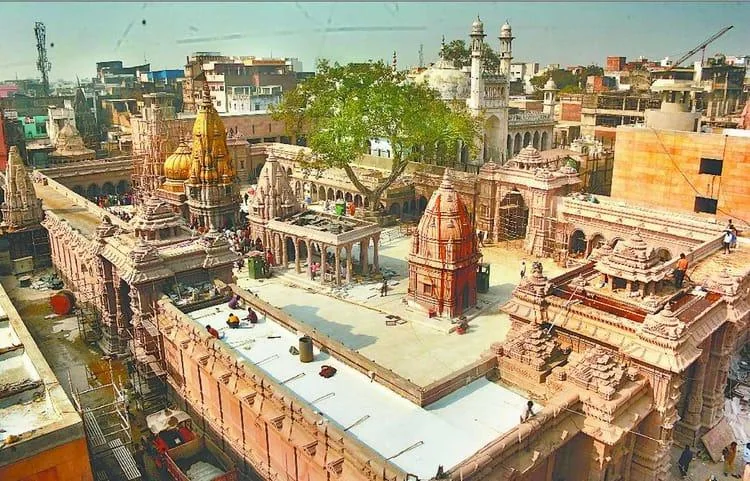
भाषा चुनें / Choose language
काशी में गंगा घाट और मंदिरों की पुरानी नगरी
गंगा के किनारे बसी काशी में घाट, मंदिर और रोज की परंपराएं एक साथ दिखाई देती हैं।
Spiritual Heritage Guide

प्राचीन काशी: इतिहास, पुरातत्व और वाराणसी की आध्यात्मिक विरासत

काशी को समझना केवल मंदिरों की सूची बनाना नहीं है। यहां गंगा की धारा, घाटों की सीढ़ियां, विश्वनाथ की गलियां, सारनाथ की शांत भूमि, बनारसी बोली, भोजन और रेशमी साड़ी की कारीगरी मिलकर एक जीवित विरासत बनाते हैं।

यह चित्र लेख की मूल भावना तय करता है: काशी एक ऐसी नगरी है जहां नदी, आस्था और पुरानी शहरी रचना आज भी रोजमर्रा की जिंदगी में साथ चलते हैं।

परिचय: काशी केवल शहर नहीं, एक अनुभव है

भारत में कुछ नगर ऐसे हैं जिन्हें लोग नक्शे से पहले स्मृति में पहचानते हैं। काशी उन्हीं नगरों में है। कोई इसे वाराणसी कहता है, कोई बनारस, और बहुत से श्रद्धालु अब भी प्रेम से काशी ही कहते हैं। नाम बदलते हैं, लेकिन भाव वही रहता है: गंगा किनारे बसा वह नगर जहां सुबह की नाव, मंदिर की घंटी, गलियों की आवाज, शास्त्र चर्चा और साधारण चाय की दुकान तक एक बड़ी सांस्कृतिक कहानी का हिस्सा बन जाती है।

यहां यात्री अक्सर पहले गंगा को देखते हैं। अस्सी से पंचगंगा तक चलते हुए लगता है कि घाट केवल पत्थर की सीढ़ियां नहीं, बल्कि समय की खुली किताब हैं। कोई स्नान कर रहा है, कोई पिंडदान, कोई संगीत अभ्यास, कोई मौन बैठा है। यही काशी का स्वभाव है: वह विद्वान, साधक, पर्यटक, परिवार और स्थानीय दुकानदार सबको अपनी लय में जगह देती है।
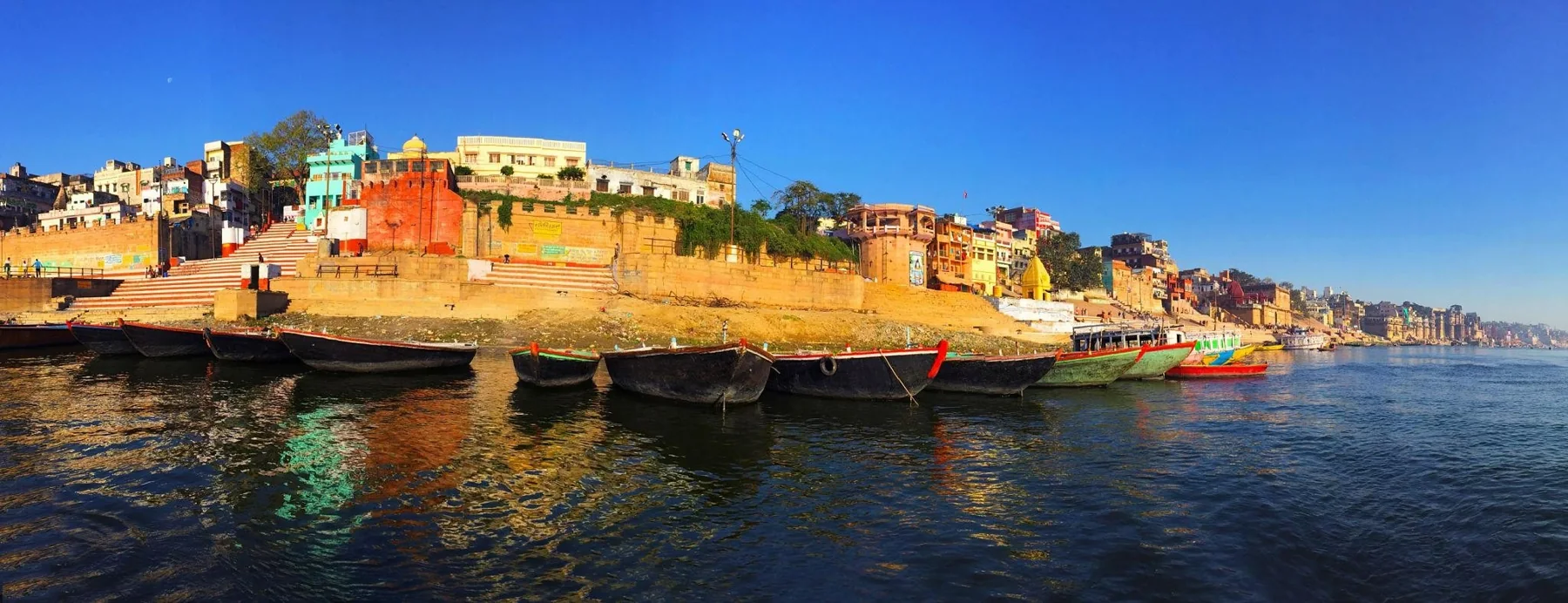
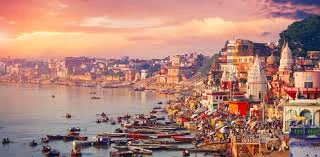
वाराणसी के गंगा घाटों का विस्तृत दृश्य
गंगा घाट काशी की सांस्कृतिक भूगोल की सबसे मजबूत पहचान हैं।

घाटों की छवि इसलिए जरूरी है क्योंकि काशी की यात्रा नदी से शुरू होकर फिर उसी नदी पर लौटती है। यहां सुबह, दोपहर और शाम तीनों समय अलग-अलग भाव देते हैं।

ऐतिहासिक पृष्ठभूमि: काशी, वाराणसी और बनारस

काशी को भारतीय सांस्कृतिक स्मृति में अत्यंत प्राचीन नगर माना जाता है। पुराने साहित्य, यात्रावृत्त, पौराणिक परंपराएं और स्थानीय कथाएं इसे ज्ञान, पूजा, कर्मकांड और व्यापार के केंद्र के रूप में याद करती हैं। वाराणसी नाम को सामान्य रूप से वरुणा और अस्सी से जोड़ा जाता है, जबकि बनारस नाम लोकभाषा, संगीत, कारीगरी और शहर के रोजमर्रा के जीवन में बहुत अपनापन रखता है।

इतिहासकार जब काशी को पढ़ते हैं तो वे केवल एक मंदिर या एक कालखंड पर नहीं रुकते। वे नदी मार्ग, बसाहट, शिल्प, तीर्थ-व्यवस्था, शिक्षा, व्यापार और बदलते राजनैतिक संरक्षण को साथ देखते हैं। इसी कारण काशी की पहचान परतों में खुलती है। यहां शैव, वैष्णव, शाक्त, बौद्ध, जैन, सूफी, संगीत और लोक परंपराएं अलग-अलग धागों की तरह मिलती हैं।
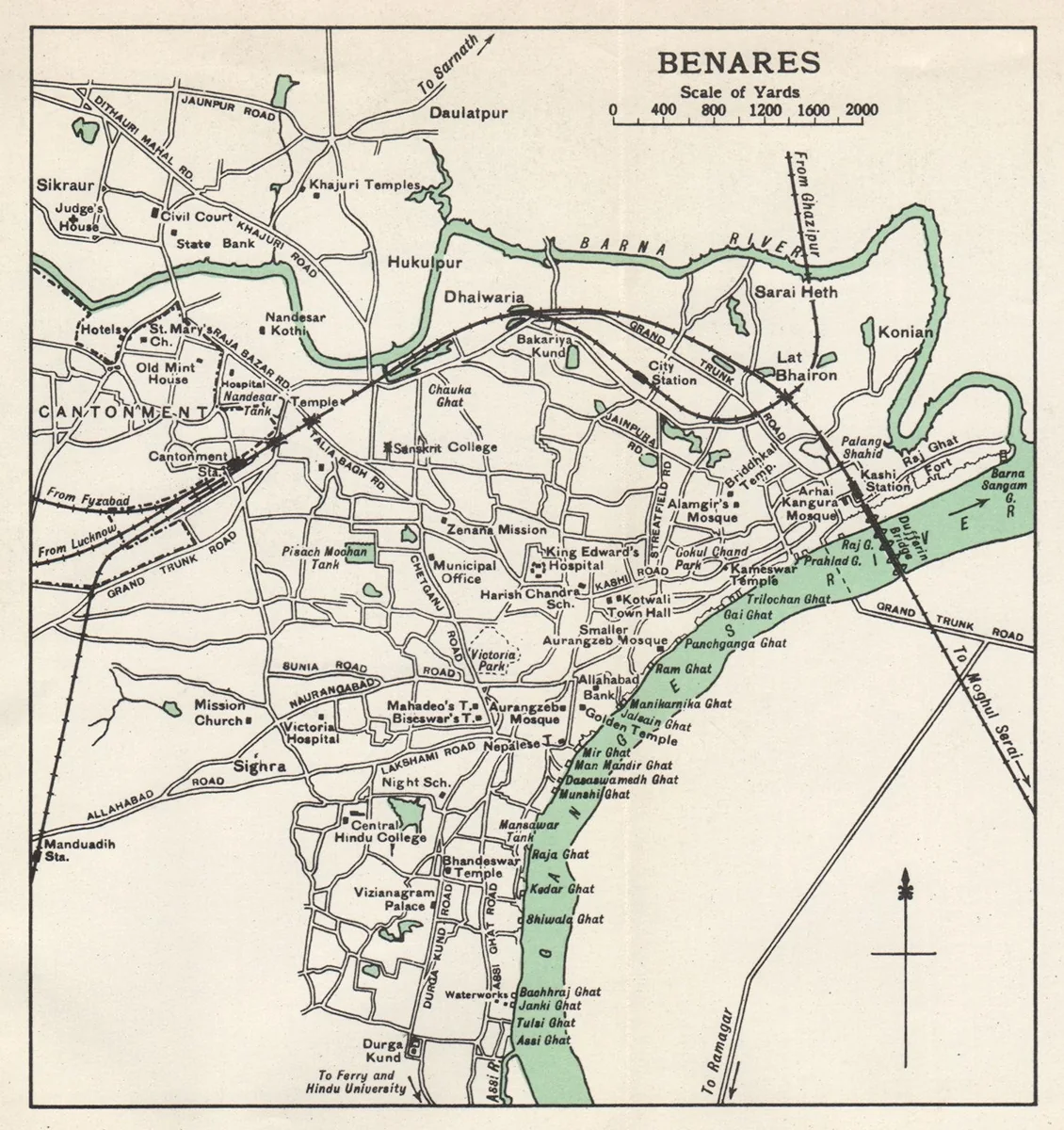
प्राचीन काशी का मानचित्र और घाट क्षेत्र
काशी को समझने के लिए नदी, पुराने मुहल्ले और तीर्थ-मार्ग साथ देखने पड़ते हैं।

मानचित्र या पुरानी शहर-कल्पना यात्रा को गहराई देती है। इससे समझ आता है कि काशी की पहचान केवल वर्तमान सड़कों से नहीं, बल्कि पुराने मार्गों और स्मृति-स्थलों से भी बनी है।

पुरातात्विक दृष्टि: सारनाथ और शहरी निरंतरता

काशी की पुरातात्विक चर्चा में सारनाथ का स्थान बहुत महत्वपूर्ण है। वाराणसी से थोड़ी दूरी पर स्थित सारनाथ बौद्ध इतिहास, स्तूपों, मठों, शिलालेखों, मूर्तियों और संग्रहालय परंपरा के कारण विश्वभर के शोधकर्ताओं और यात्रियों को आकर्षित करता है। यहां की भूमि यह बताती है कि गंगा क्षेत्र में धर्म, शिक्षा और यात्राओं का आदान-प्रदान कितनी गहराई से जुड़ा रहा है।

वाराणसी के भीतर पुरातत्व को पढ़ना थोड़ा अलग काम है, क्योंकि यह लगातार आबाद शहर है। पुराने घाट कई बार बदले, बने और सुधरे; गलियां नई जरूरतों के अनुसार ढलीं; मंदिरों के आसपास व्यापार और आवास बढ़े। इसलिए काशी की भौतिक विरासत को संतुलित भाषा में समझना चाहिए। प्रमाण जहां स्पष्ट हों, वहां प्रमाण की बात करें; जहां लोकस्मृति हो, वहां उसे सम्मान के साथ लोककथा मानकर सुनें।
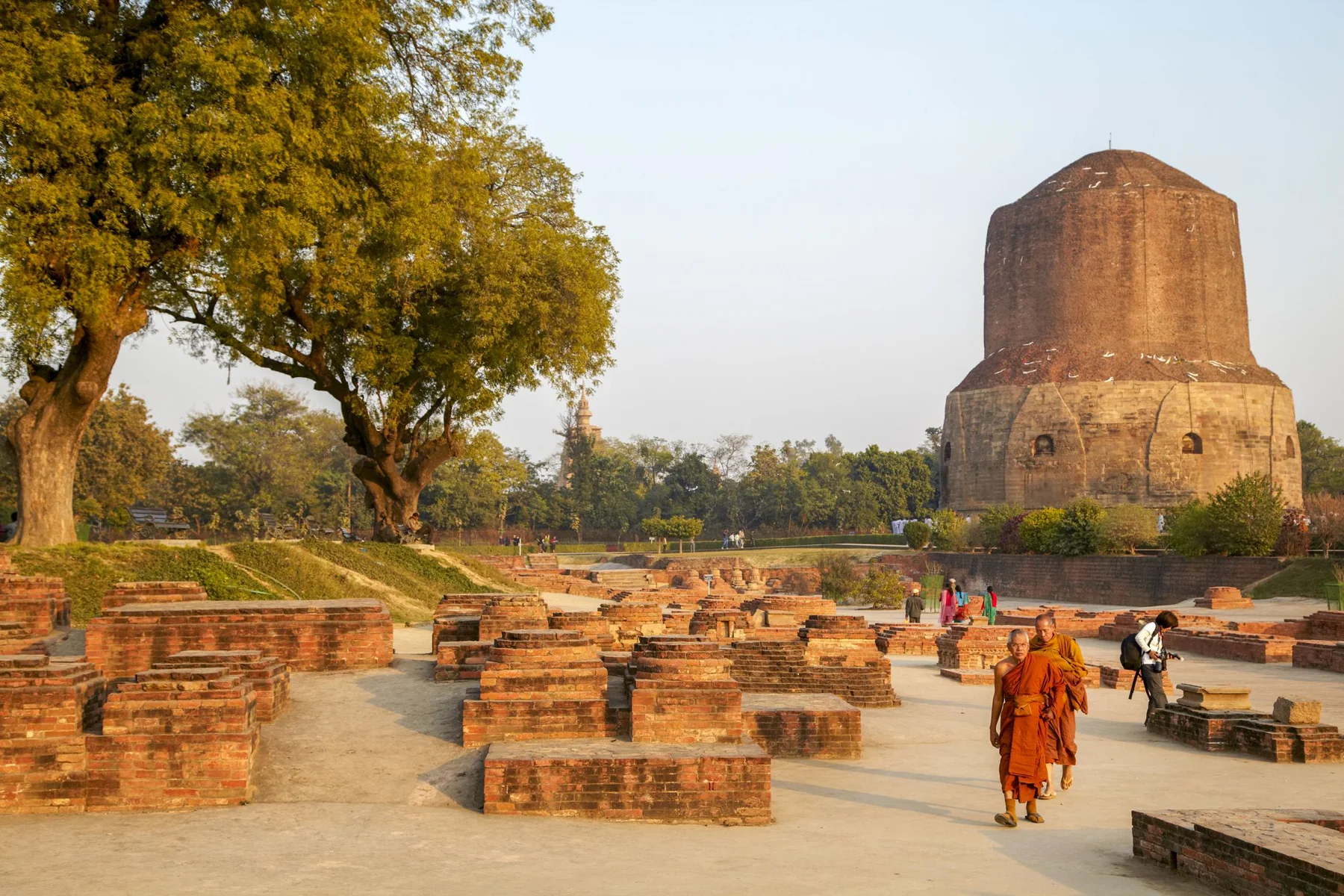
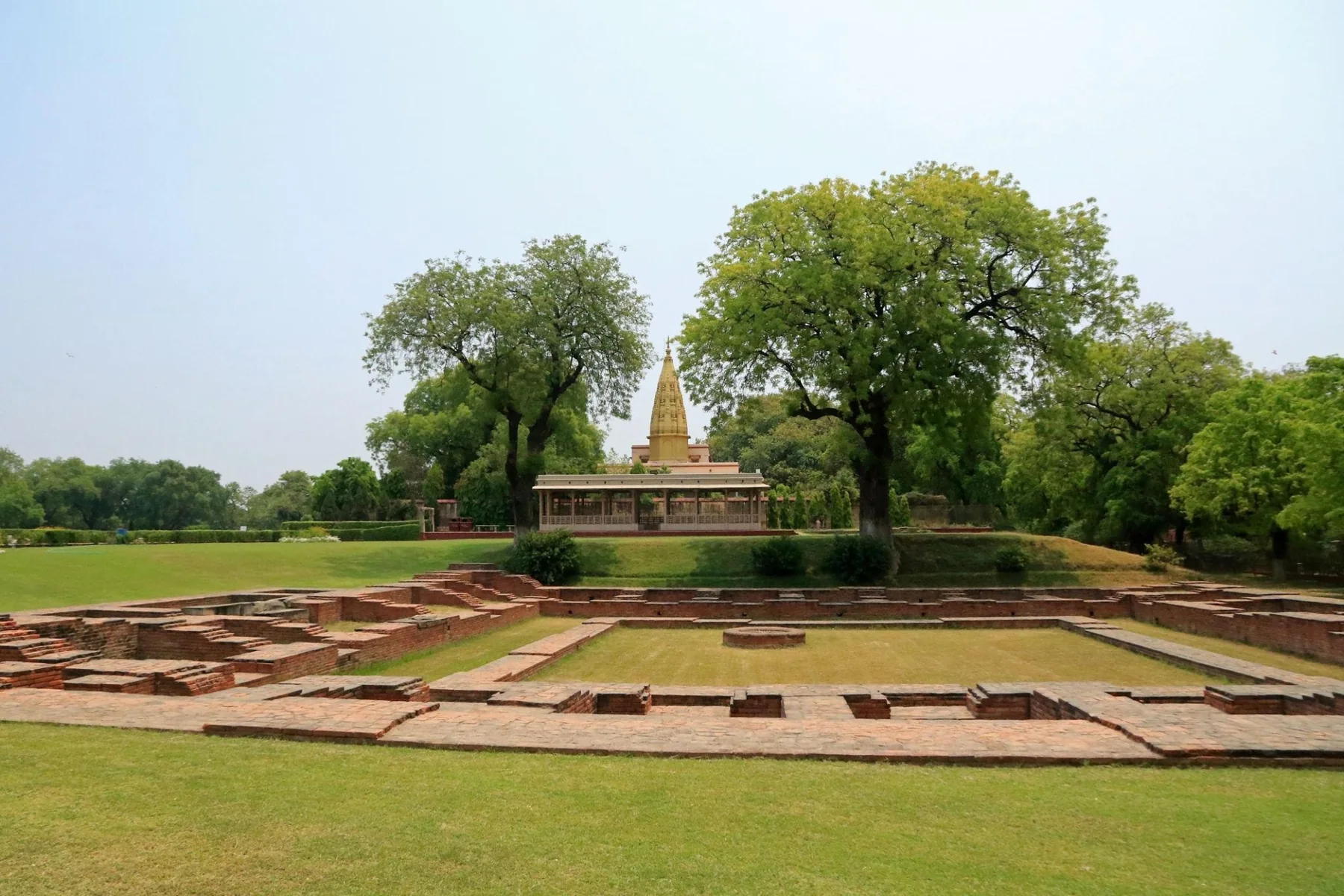
सारनाथ का पुरातात्विक स्थल और स्तूप
सारनाथ काशी क्षेत्र की बौद्ध और पुरातात्विक विरासत का प्रमुख केंद्र है।

सारनाथ की छवि लेख में इसलिए है क्योंकि यह काशी को केवल घाटों और मंदिरों तक सीमित नहीं रहने देती। यह क्षेत्र की व्यापक आध्यात्मिक और शैक्षिक परंपरा दिखाती है।

मंदिर स्थापत्य: श्रद्धा, गलियां और शहर की रचना

श्री काशी विश्वनाथ मंदिर काशी की आध्यात्मिक धुरी है। मंदिर तक पहुंचने वाली गलियां, सुरक्षा व्यवस्था, प्रसाद की दुकानें, श्रद्धालुओं की कतार और फिर गर्भगृह की ओर बढ़ता हुआ क्षण, यात्रा को बहुत सघन बना देता है। मंदिर का आधुनिक परिसर साफ-सुथरे मार्ग और विशालता का अनुभव देता है, लेकिन उसके आसपास की पुरानी गली-संस्कृति भी यात्रा की आत्मा बनी रहती है।

अन्नपूर्णा मंदिर काशी के भोजन, दान और मातृ-भाव से जुड़ा है। संकट मोचन मंदिर भक्ति, संगीत और हनुमान उपासना का प्रिय स्थान है। दुर्गा कुंड मंदिर अपनी लाल आभा और शाक्त परंपरा के कारण अलग पहचान रखता है। तुलसी मानस मंदिर रामचरितमानस की स्मृति को लोकभाषा और भक्ति से जोड़ता है। भारत माता मंदिर धार्मिक मूर्ति की जगह भारत के मानचित्र को केंद्र में रखकर काशी की सांस्कृतिक व्यापकता दिखाता है।
श्री काशी विश्वनाथ मंदिर वाराणसी
श्री काशी विश्वनाथ मंदिर काशी की सबसे प्रसिद्ध तीर्थ पहचान है।

विश्वनाथ मंदिर की छवि स्थापत्य अनुभाग में इसलिए है क्योंकि यहां भवन, मार्ग, श्रद्धालु और शहर की व्यवस्था एक साथ काम करते हैं। यह केवल दर्शन स्थल नहीं, काशी की धुरी है।

गंगा घाट और सांस्कृतिक दृश्य

दशाश्वमेध घाट पर शाम की गंगा आरती पहली बार आने वाले यात्रियों को तुरंत प्रभावित करती है। दीप, धूप, शंख, मंत्र और भीड़ का अनुशासन मिलकर सार्वजनिक पूजा का अद्भुत दृश्य बनाते हैं। अस्सी घाट सुबह की सैर, संगीत, चाय और युवा ऊर्जा के लिए प्रिय है। मणिकर्णिका और हरिश्चंद्र घाट जीवन-मृत्यु के गंभीर दर्शन से जुड़े हैं, इसलिए वहां सम्मान और संयम जरूरी है। पंचगंगा घाट काशी के पुराने आध्यात्मिक भूगोल में खास स्थान रखता है।

घाटों पर चलते हुए ध्यान रखें कि हर स्थान फोटो-पॉइंट नहीं होता। कुछ जगहें परिवारों के संस्कार, शोक और निजी पूजा से जुड़ी होती हैं। काशी अच्छी तरह तब खुलती है जब यात्री कैमरे से पहले आंखों और व्यवहार से जगह को समझता है।
दशाश्वमेध घाट पर गंगा आरती का दृश्य
दशाश्वमेध घाट की गंगा आरती काशी की सबसे लोकप्रिय संध्या परंपराओं में है।

गंगा आरती का दृश्य यात्रा के भाव को गहरा करता है। परिवारों के लिए यह काशी यात्रा का सबसे यादगार सार्वजनिक अनुभव बन सकता है।

कथा और स्थानीय विश्वास

काशी को महादेव की नगरी कहा जाता है। स्थानीय विश्वास है कि यहां शिव स्वयं अपने भक्तों को संभालते हैं और मृत्यु के बाद मोक्ष की राह सरल होती है। ऐसी कथाएं इतिहास की तारीखों की तरह नहीं पढ़ी जातीं; इन्हें उस भाव से सुनना चाहिए जिसमें पीढ़ियों ने शहर से प्रेम किया है। गंगा और शिव की कथाएं काशी में एक-दूसरे से अलग नहीं हैं। नदी शहर को धोती है, और शिव शहर को अर्थ देते हैं।

दशाश्वमेध घाट से जुड़ी कथा में यज्ञ, देवता और पवित्र कर्म की स्मृति आती है। नाविक, पंडा, दुकानदार और पुराने परिवार इन कथाओं को अपने ढंग से सुनाते हैं। अच्छा यात्री हर कथा को बहस में बदलने के बजाय उसके सांस्कृतिक महत्व को समझता है। यही संतुलन काशी को श्रद्धा और अध्ययन, दोनों के लिए सुंदर बनाता है।

यात्रा अनुभव: सुबह की नाव, गलियां और बनारसी स्वाद

काशी का सबसे अच्छा आरंभ सुबह की नाव से होता है। हल्की रोशनी में घाट एक-एक कर खुलते हैं। कहीं मंत्र सुनाई देता है, कहीं आरती की तैयारी, कहीं बच्चे पानी में खेलते हैं। नाव से लौटकर गलियों में चलें तो शहर का दूसरा चेहरा दिखता है: छोटे मंदिर, दूध की दुकाने, कचौड़ी-जलेबी, चाय, पान, लकड़ी की अलमारियां और अचानक खुलता कोई पुराना आंगन।

बनारसी भोजन यात्रा को घरेलू बनाता है। कचौड़ी-सब्जी, चाट, लस्सी, मलाईयो के मौसम की मिठास, पान और स्थानीय मिठाइयां यात्रा में स्वाद जोड़ते हैं। बाजारों में बनारसी सिल्क साड़ी की दुनिया अलग है। असली कारीगरी पहचानने के लिए जल्दी न करें; धागा, जरी, बुनाई और दुकानदार की जानकारी सुनें।
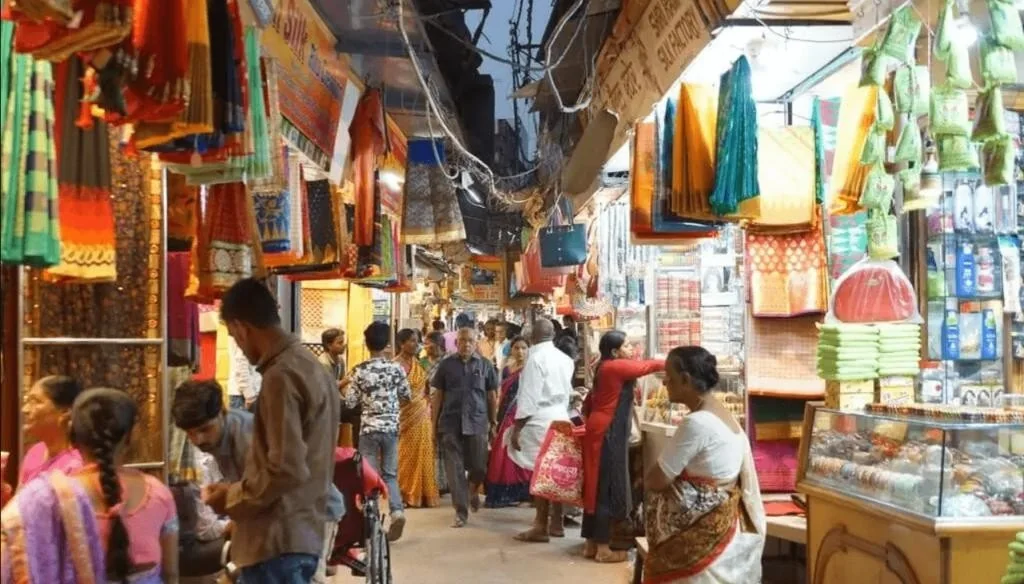
बनारस की संकरी गलियां और स्थानीय जीवन
बनारस की गलियां मंदिर, बाजार, भोजन और रोजमर्रा की श्रद्धा को जोड़ती हैं।

गलियों की तस्वीर इसलिए रखी गई है क्योंकि काशी का आधा अनुभव घाटों पर और आधा इन गलियों में मिलता है। यहीं शहर की आवाज सबसे साफ सुनाई देती है।
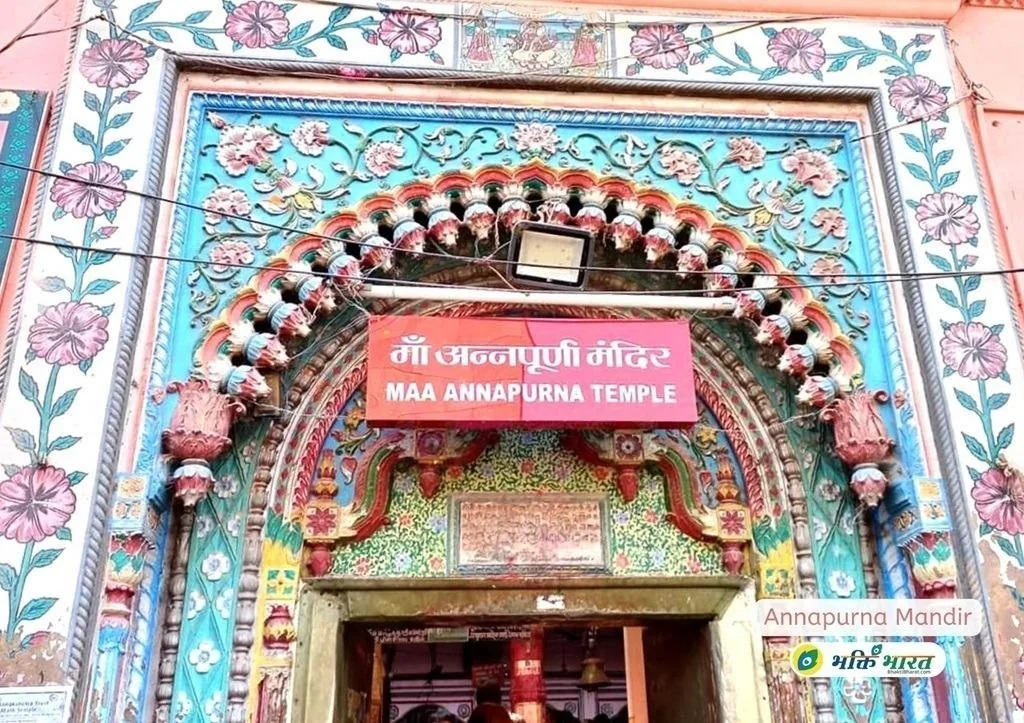
बनारसी संस्कृति, मंदिर और स्थानीय बाजार
बनारसी संस्कृति पूजा, भोजन, संगीत, कारीगरी और बाजारों में साथ दिखाई देती है।

स्थानीय संस्कृति की छवि यात्रियों को याद दिलाती है कि काशी केवल दर्शन नहीं, बल्कि रहने-बोलने-खाने और बनाने की परंपरा भी है।

तीर्थ-यात्री गाइड: परिवार के साथ व्यावहारिक योजना

सबसे अच्छा समय

अक्टूबर से मार्च परिवारों और वरिष्ठ नागरिकों के लिए सबसे आरामदायक समय है। सावन, देव दीपावली, महाशिवरात्रि और बड़े पर्व बहुत सुंदर होते हैं, लेकिन भीड़ और होटल दरें बढ़ सकती हैं। गर्मी में सुबह और शाम पर यात्रा केंद्रित रखें।

एक दिन और दो दिन की योजना

एक दिन में सुबह नाव, विश्वनाथ दर्शन, अन्नपूर्णा मंदिर, दोपहर विश्राम और शाम दशाश्वमेध आरती रखी जा सकती है। दो दिन हों तो दूसरे दिन सारनाथ, संकट मोचन, दुर्गा कुंड, तुलसी मानस, भारत माता मंदिर, बाजार और सिल्क खरीदारी जोड़ें।

अयोध्या से काशी मार्ग और कैब

अयोध्या से काशी निजी कैब द्वारा सुविधाजनक आध्यात्मिक मार्ग है। परिवार, बुजुर्ग और बच्चों के साथ यात्रा में कैब बेहतर रहती है क्योंकि रुकने, भोजन और सामान का नियंत्रण आपके पास रहता है। होटल घाटों के पास चाहिए या शांत क्षेत्र में, यह अपनी प्राथमिकता के अनुसार चुनें। कई परिवार अयोध्या-काशी-प्रयागराज पैकेज में तीनों शहर जोड़ते हैं।
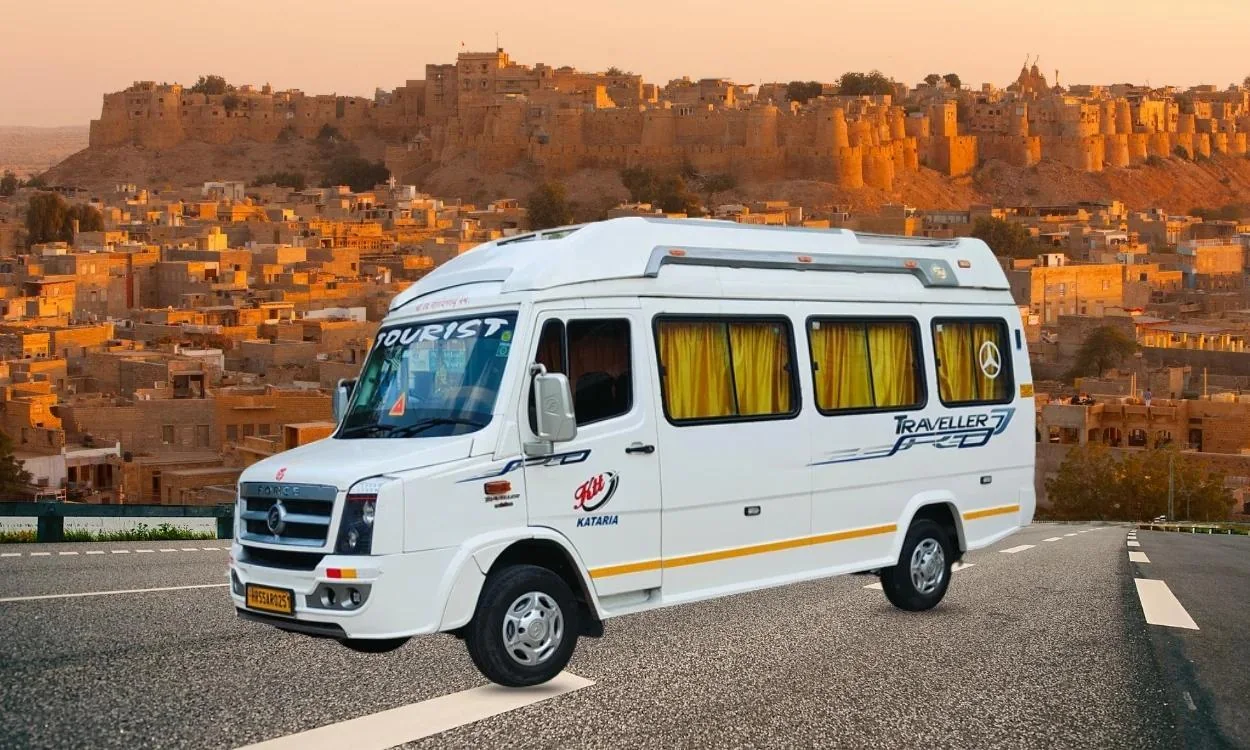
अयोध्या काशी प्रयागराज यात्रा के लिए आरामदायक वाहन
निजी वाहन बहु-शहर तीर्थयात्रा को परिवारों के लिए सरल बनाता है।

CTA चित्र यात्रा की व्यावहारिक जरूरत दिखाता है। काशी, अयोध्या और प्रयागराज जैसे मार्गों में सही वाहन योजना यात्रा की थकान कम करती है।

Did You Know: काशी के 10 छोटे तथ्य

  • काशी को भारतीय परंपरा में महादेव की नगरी कहा जाता है।
  • वाराणसी नाम को वरुणा और अस्सी से जोड़ा जाता है।
  • बनारस नाम संगीत, भोजन, बोली और कारीगरी में बहुत लोकप्रिय है।
  • सारनाथ वाराणसी के पास प्रमुख बौद्ध पुरातात्विक स्थल है।
  • दशाश्वमेध घाट गंगा आरती के लिए सबसे प्रसिद्ध है।
  • अस्सी घाट सुबह की गतिविधियों और युवा यात्रियों में लोकप्रिय है।
  • मणिकर्णिका और हरिश्चंद्र घाटों पर विशेष सम्मान और संयम जरूरी है।
  • बनारसी सिल्क साड़ी शहर की बड़ी शिल्प पहचान है।
  • काशी की यात्रा में पैदल चलना लगभग अनिवार्य अनुभव है।
  • अयोध्या, काशी और प्रयागराज एक स्वाभाविक आध्यात्मिक सर्किट बनाते हैं।

FAQ: काशी इतिहास, दर्शन और यात्रा

काशी को वाराणसी क्यों कहा जाता है?

वाराणसी नाम को सामान्य रूप से वरुणा और अस्सी से जोड़ा जाता है। काशी पवित्र पुराना नाम है और बनारस लोकजीवन का प्रिय नाम है।

काशी का ऐतिहासिक महत्व क्या है?

काशी पूजा, ज्ञान, कर्मकांड, शिल्प, व्यापार और गंगा-आधारित शहरी जीवन का पुराना केंद्र रही है।

सारनाथ का पुरातात्विक महत्व क्या है?

सारनाथ में स्तूप, मठ अवशेष, मूर्तियां और संग्रहालय सामग्री मिलती है, जो बौद्ध इतिहास और गंगा क्षेत्र की शिक्षा परंपरा को समझने में मदद करती है।

क्या काशी के लिए 2 दिन काफी हैं?

ठीक योजना हो तो दो दिन में विश्वनाथ दर्शन, गंगा आरती, सुबह नाव, सारनाथ और मुख्य मंदिर देखे जा सकते हैं।

वाराणसी में कौन से घाट देखने चाहिए?

दशाश्वमेध, अस्सी, पंचगंगा, मणिकर्णिका और हरिश्चंद्र घाट प्रमुख हैं। संवेदनशील घाटों पर फोटो और व्यवहार में संयम रखें।

क्या अयोध्या से काशी कैब से जा सकते हैं?

हां, निजी कैब परिवारों और वरिष्ठ नागरिकों के लिए सुविधाजनक रहती है। रास्ते में भोजन और विश्राम अपनी जरूरत के अनुसार रख सकते हैं।

गंगा आरती का सबसे अच्छा समय क्या है?

शाम की आरती के लिए सूर्यास्त से पहले पहुंचना बेहतर है। त्योहारों में और जल्दी पहुंचें क्योंकि भीड़ अधिक होती है।

क्या अयोध्या, काशी और प्रयागराज एक यात्रा में जोड़े जा सकते हैं?

हां, यह उत्तर प्रदेश का लोकप्रिय आध्यात्मिक सर्किट है। 4 से 6 दिन की योजना सबसे आरामदायक रहती है।

काशी का सबसे प्रसिद्ध मंदिर कौन सा है?

श्री काशी विश्वनाथ मंदिर सबसे प्रसिद्ध है और अधिकतर यात्रियों की काशी यात्रा का केंद्र होता है।

क्या काशी परिवार तीर्थयात्रा के लिए ठीक है?

हां, लेकिन होटल, वाहन, चलने की दूरी और दर्शन समय पहले से तय करें, खासकर बुजुर्गों और बच्चों के साथ।

अयोध्या-काशी-प्रयागराज यात्रा प्लान करें

अपनी यात्रा तारीख, पिकअप शहर, यात्रियों की संख्या और होटल पसंद बताइए। हमारी स्थानीय टीम आपके परिवार के लिए शांत, व्यावहारिक और दर्शन-केंद्रित योजना सुझाएगी।

Ancient Kashi Varanasi skyline with Ganga ghats and temples
Kashi is best seen where the river, temples and living streets meet.
Spiritual Heritage Guide

Ancient Kashi: History, Archaeology and Spiritual Heritage of Varanasi

A grounded local guide to Kashi, Varanasi and Banaras: the Ganga, ghats, Vishwanath Temple, Sarnath, legends, food, markets, silk heritage and practical pilgrim planning.

This image sets the mood of the article: Kashi is not a frozen monument, but a living river city where sacred geography and daily life keep speaking to each other.

Introduction: Kashi As A Living Spiritual City

Some Indian cities are known first through memory and only later through maps. Kashi is one of them. Pilgrims call it Kashi, official boards call it Varanasi, and everyday speech still loves the name Banaras. Each name carries a slightly different mood, but all three point toward the same river city: a place of Ganga mornings, temple bells, narrow lanes, Sanskrit learning, local food, silk weaving and stories that have travelled across generations.

The visitor usually meets Kashi at the ghats. A morning boat ride shows the city slowly opening itself: priests preparing offerings, families taking a dip, students practising music, photographers waiting for soft light, and old residents sitting without hurry. That is why Kashi should not be read as a checklist. It is a layered experience where history, devotion, trade, scholarship and ordinary street life sit close together.

Wide view of the Ganga ghats in Varanasi
The Ganga ghats form the strongest visual and cultural identity of Kashi.

The ghats matter because most journeys in Kashi begin at the river and return to it. Morning, afternoon and evening each reveal a different city.

Historical Background: Kashi, Varanasi And Banaras

Kashi is remembered in Indian cultural memory as one of the great ancient sacred cities. Textual references, pilgrimage traditions, local oral history and travel accounts present it as a centre of worship, ritual learning, craft and river-based trade. The name Varanasi is commonly connected with the Varuna and Assi streams, while Banaras belongs warmly to music, food, language, everyday humour and the city's public personality.

For a historian, Kashi is not a single-period city. Its story has to be read through river routes, settlement patterns, temples, monasteries, craft communities, merchants, scholars and changing forms of patronage. This is why the city opens in layers. Shaiva, Vaishnava, Shakta, Buddhist, Jain, Sufi, musical and folk traditions all leave a mark here. The result is not a museum city, but a city where memory still has work to do every morning.

Old Kashi map and sacred geography around Varanasi
Kashi is easier to understand when river, lanes and pilgrimage routes are seen together.

A map-like image helps travellers understand that Kashi is shaped by older routes and remembered places, not only by today's roads.

Archaeological Perspective: Sarnath And Urban Continuity

Sarnath is central to the archaeological understanding of the Kashi region. Located near Varanasi, it preserves stupas, monastic remains, sculptural material, inscriptions and museum collections connected with early Buddhist history. For researchers and travellers, Sarnath shows how the Ganga plain supported teaching, movement, patronage and sacred architecture across many centuries.

Inside Varanasi, archaeology has to be approached differently because the city has been continuously inhabited and rebuilt. Ghats were repaired, extended and reshaped. Temple neighbourhoods changed as routes, markets and residential needs changed. A responsible heritage guide should therefore avoid dramatic claims and stay with careful language. Where evidence is clear, speak of evidence. Where local belief is central, listen to it as cultural memory.

Sarnath archaeological site and stupa near Varanasi
Sarnath is the major archaeological and Buddhist heritage site near Kashi.

Sarnath belongs in this guide because it prevents Kashi from being reduced only to temples and ghats. It reveals a wider landscape of teaching, pilgrimage and material history.

Temple Architecture: Sacred Buildings And City Movement

Shri Kashi Vishwanath Temple is the spiritual anchor of the city. The approach to the shrine, the controlled movement of pilgrims, the shops selling offerings, the security process, the sound of bells and the final darshan moment all create an intense sacred experience. The newer corridor gives a sense of openness and order, while the old lanes around it continue to carry the intimate mood of Banaras.

Annapurna Temple adds the feeling of nourishment, offering and motherly grace. Sankat Mochan Temple is loved for Hanuman devotion, music and a calmer neighbourhood rhythm. Durga Kund Temple is visually striking and linked with Shakta worship. Tulsi Manas Temple connects Ramcharitmanas with public devotion and accessible language. Bharat Mata Temple is unusual because it centres the map of India rather than a conventional deity, reminding visitors that Kashi also has a civic and cultural imagination.

Shri Kashi Vishwanath Temple in Varanasi
Shri Kashi Vishwanath Temple is the most famous sacred address in Kashi.

The temple image belongs here because architecture in Kashi is not just about walls. It is about how streets, queues, bells, priests, shops and pilgrims move toward the sanctum.

Ganga Ghats And The Cultural Landscape

Dashashwamedh Ghat is famous for the evening Ganga Aarti. Lamps, incense, conch sound, chants and disciplined public movement create a powerful shared ritual. Assi Ghat is loved for mornings, tea, music and a younger energy. Manikarnika and Harishchandra Ghats are connected with cremation traditions and the serious philosophy of life and death, so visitors should behave with restraint. Panchganga Ghat holds an important place in the older sacred geography of the city.

While walking along the ghats, remember that not every place is a photo stop. Some spaces are connected with family rituals, grief and private prayer. Kashi opens best to travellers who observe before they photograph and who understand that reverence is also a travel skill.

Ganga Aarti at Dashashwamedh Ghat in Varanasi
Dashashwamedh Ghat Aarti is one of the most memorable evening experiences in Kashi.

The Aarti image gives the article its public devotional scene. For many families, this is the moment that makes the Kashi journey feel complete.

Legends And Local Katha

Kashi is called the city of Mahadev. Local belief holds that Shiva protects the city and that the path to moksha becomes especially meaningful here. These stories should not be handled like modern tour facts. They belong to cultural memory, devotional practice and the emotional vocabulary of generations. The Ganga and Shiva traditions are inseparable in Kashi: the river gives the city its body, and Shiva gives it its inner meaning.

The story of Dashashwamedh Ghat carries memories of yajna, divine presence and sacred action. Boatmen, priests, shopkeepers and old families narrate such kathas in their own accents. A good traveller does not turn every story into an argument. Listening respectfully is often the best way to understand why people have loved this city for so long.

Travel Experience: Boat Ride, Lanes, Food And Silk

The best Kashi day begins before sunrise. From a boat, the ghats reveal themselves one by one. You may hear temple bells, morning ragas, the splash of oars and the soft murmur of prayers. After the boat ride, walk into the lanes. You will meet tiny shrines, milk shops, kachori and jalebi counters, tea stalls, paan shops, old wooden shelves and sudden courtyards that seem to appear from nowhere.

Banarasi food makes the journey warmer and more human. Kachori-sabzi, chaat, lassi, seasonal malaiyo, sweets and paan add taste to the pilgrimage. The markets also carry the city's silk heritage. Do not rush a saree purchase. Listen to the seller explain thread, zari, weave and design. Even if you do not buy, you will understand why Banarasi silk is part of the city's identity.

Narrow lanes of Banaras with local shops and temple routes
The lanes of Banaras connect temples, markets, food and everyday devotion.

The lanes belong in the travel section because half of Kashi is experienced away from the river, in these close, noisy and memorable passages.

Banarasi culture with temple and local market atmosphere
Banarasi culture lives through worship, food, craft, music and neighbourhood markets.

This cultural image reminds travellers that Kashi is not only a darshan destination. It is also a city of making, selling, serving, singing and feeding.

Pilgrim Guide: Practical Planning

Best Time To Visit

October to March is the most comfortable season for families and senior citizens. Sawan, Dev Deepawali, Mahashivratri and major festivals are beautiful but crowded, with higher hotel demand. In summer, plan around early mornings and evenings.

One Day And Two Day Kashi Plan

In one day, keep a morning boat ride, Vishwanath darshan, Annapurna Temple, afternoon rest and evening Aarti at Dashashwamedh Ghat. With two days, add Sarnath, Sankat Mochan, Durga Kund, Tulsi Manas Temple, Bharat Mata Temple, local markets and a silk-shopping window.

Ayodhya To Kashi Route, Cab And Hotels

Ayodhya to Kashi works well by private cab, especially for families, parents and groups. A cab lets you manage meal breaks, luggage and temple timing without unnecessary stress. Choose a hotel depending on your priority: close to ghats for atmosphere, or a calmer area for easier vehicle access. Many families extend the route into an Ayodhya Kashi Prayagraj tour for a fuller sacred circuit.

Comfortable vehicle for Ayodhya Kashi Prayagraj tour
A reliable private vehicle makes multi-city pilgrimage easier for families.

The CTA image speaks to the practical side of pilgrimage. On routes like Ayodhya, Kashi and Prayagraj, good transport often decides whether the trip feels peaceful or tiring.

Did You Know? 10 Short Facts About Kashi

  • Kashi is widely revered as the city of Mahadev.
  • Varanasi is commonly linked with Varuna and Assi.
  • Banaras remains the beloved cultural name in music, food and daily speech.
  • Sarnath is the major Buddhist archaeological site near Varanasi.
  • Dashashwamedh Ghat is the best-known place for evening Ganga Aarti.
  • Assi Ghat is popular for morning walks, tea and cultural activity.
  • Manikarnika and Harishchandra Ghats require special respect from visitors.
  • Banarasi silk is one of the city's strongest craft identities.
  • Walking is essential to the real Kashi experience.
  • Ayodhya, Kashi and Prayagraj form a natural spiritual circuit.

FAQ: Ancient Kashi, Heritage And Travel

Why is Kashi also called Varanasi?

Varanasi is commonly linked with the Varuna and Assi streams. Kashi is the older sacred name, and Banaras is the familiar cultural name used in everyday life.

What is the historical importance of Kashi?

Kashi has long been remembered as a centre of worship, learning, ritual practice, craft, trade and river-based urban culture.

What is the archaeological importance of Sarnath?

Sarnath preserves stupas, monastic remains, sculptures and museum collections that help explain Buddhist history near Varanasi.

Is 2 days enough for Kashi?

Yes, with a planned itinerary. Two days can cover Vishwanath darshan, Ganga Aarti, a morning boat ride, Sarnath and selected temples.

Which ghats should I visit in Varanasi?

Dashashwamedh, Assi, Panchganga, Manikarnika and Harishchandra are important. Be especially respectful around cremation ghats.

Can I travel from Ayodhya to Kashi by cab?

Yes. A private cab is convenient for families and senior citizens because it gives control over breaks, luggage and timing.

What is the best time for Ganga Aarti?

Reach before sunset for evening Aarti. On festivals and weekends, arrive earlier because the crowd builds quickly.

Can I combine Ayodhya, Kashi and Prayagraj in one tour?

Yes. A 4 to 6 day private-cab circuit is comfortable for most families and covers the main darshan points without rushing.

Which temple is most famous in Kashi?

Shri Kashi Vishwanath Temple is the most famous temple and the spiritual centre of most Kashi pilgrimages.

Is Kashi suitable for family pilgrimage?

Yes, but plan hotel location, cab access, walking distance and darshan timing carefully, especially with elders and children.

Plan Your Ayodhya-Kashi-Prayagraj Tour

Share your travel date, pickup city, group size and hotel preference. Our local team will suggest a calm, practical and darshan-focused itinerary for your family.

CallWhatsApp